Building a greener, more equitable future through inclusive climate strategies
AU-GRAP Platform
Welcome to the platform "Pathways to Gender-responsive Climate Actions" to learn more about the Transformative Climate Finance program for the implementation of the African Union Green Recovery Action Plan (TCFP AU-GRAP) where you will access information and publications on various climate action areas implemented across the Pilot Member States (MS) and Regional Economic Communities (RECs).
Discover the AU-GRAP Journey
Follow the proposed pathways to turn ambitions into actions.
AU-GRAP Overview
Why Gender & Social Inclusion Matters
Proposed interventions
Climate change is not gender-neutral
Its impacts intersect with structural inequalities shaping how different groups experience, respond to and recover from climate shocks. Climate change exacerbates existing social and economic inequalities, disproportionately affecting women, youth, persons with disabilities, Indigenous peoples, and vulnerable communities. Despite their key roles in climate adaptation, disaster response, and community resilience, they often face multiple barriers in accessing resources such as land, finance, technology, education, healthcare and decision-making. They also face higher vulnerability to climate-induced shocks such as droughts, floods, and insecurity.
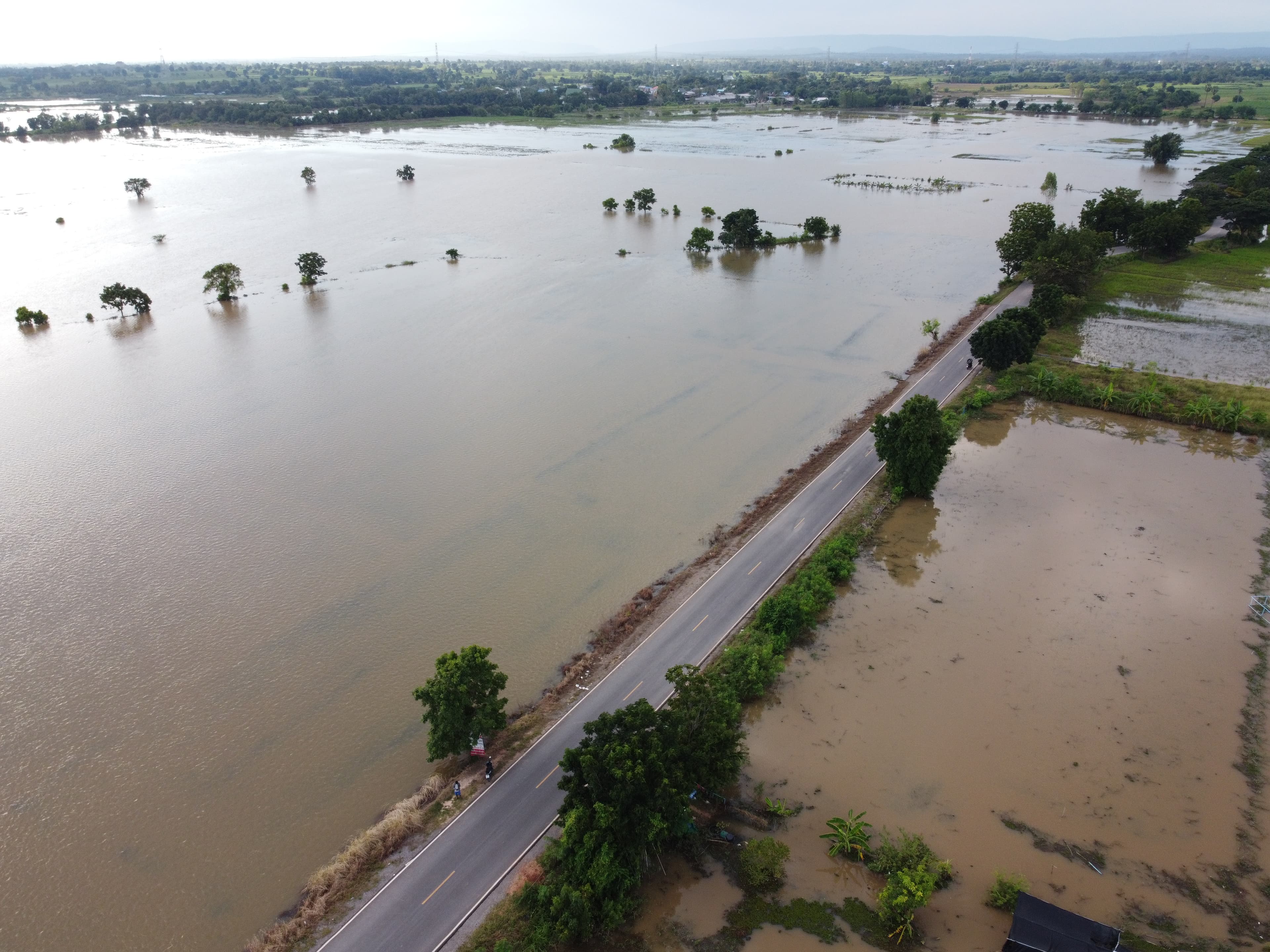
FLOODS
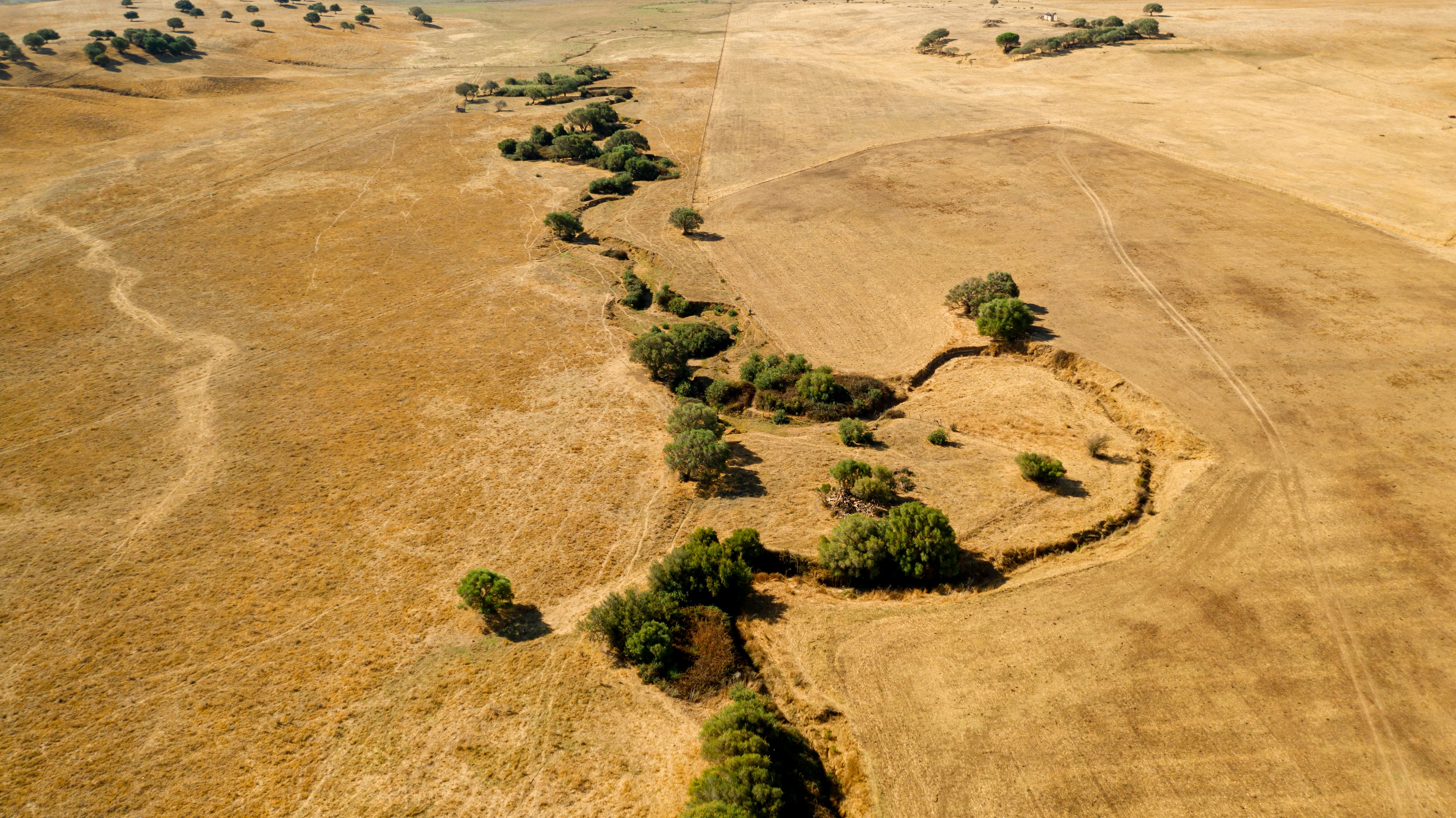
DROUGHT
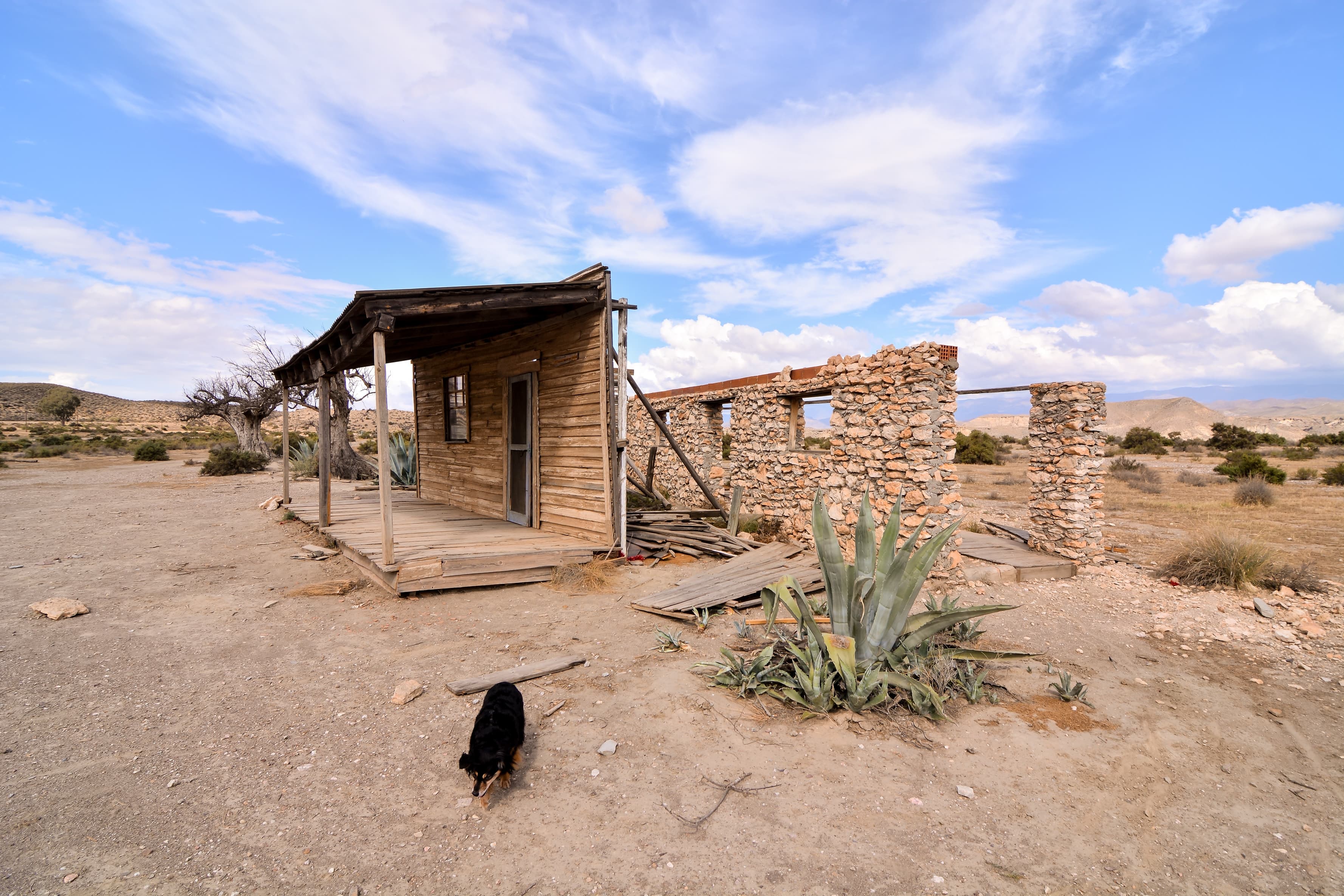
INSECURITY
Vulnerable groups face higher exposure to climate-induced shocks such as droughts, floods, and insecurity.
Integrating gender equality and social inclusion into climate policy and finance frameworks is not only an issue of equity but a strategic necessity to enhance the impact, efficiency and sustainability of national and regional climate actions. Addressing the climate crisis effectively requires recognizing that a just and sustainable green growth cannot be achieved without addressing the underlying inequalities.
Gender‑responsive climate action is key to sustainable development. By empowering women, youth, and vulnerable groups across all sectors, we can build more resilient communities and a greener, more equitable future for Africa.
How Gender Shapes Climate Action in Africa
Explore the realities faced by women, youth, and vulnerable groups, and how targeted action in each sector can make a difference.
Climate Finance
Renewable Energy
Biodiversity & Nature‑Based Solutions
Climate‑Resilient Agriculture
Green & Resilient Cities, with focus on Water
Limited access to finance and decision-making often excludes women, youth, and people with disabilities. Inclusive, gender-responsive financing strengthens both equity and climate impact.
Women and youth are leading clean-energy innovations, yet still face barriers to participation. Expanding inclusive access to renewable energy empowers communities and protects health.
Women and young people safeguard ecosystems vital to livelihoods, but their contributions often go unrecognized. Supporting their role enhances resilience and conservation outcomes.
Women produce most of Africa's food yet face unequal access to land and resources. Inclusive, climate-smart farming boosts food security and community resilience.
Women, youth, and people with disabilities are central to building safer, greener cities. Inclusive urban planning ensures resilience that benefits everyone.
Pathways to inclusive and gender-responsive climate actions
The pathways to inclusive and gender-responsive climate actions represent an integrated and structured approach to advancing inclusive, equitable, and effective climate responses. The pathways are dual structured frameworks that combine two complementary tools, the gender-responsive roadmap and journey map, developed through the Transformative Climate Finance Program for the operationalization of the AU-Green Recovery Action Plan (TCFP AU-GRAP).
Discover the Proposed Pathways:the gender-responsive Roadmap and Journey Map
Discover how gender shapes climate action in practice.
These pathways aim to provide Member States, REC and partners with practical guidance to embed gender equality and social inclusion into climate policy, planning, and finance.